Every trade, counted.
Marka is the verified record of the working economy nobody wrote down: the trader, the mechanic, the tailor, the welder, the shoemaker, the food seller. Customers find them on WhatsApp or the app and pay them directly. Every job builds a record a lender can read. Free for them. Starting in South West Nigeria, built for everywhere people work without a record.
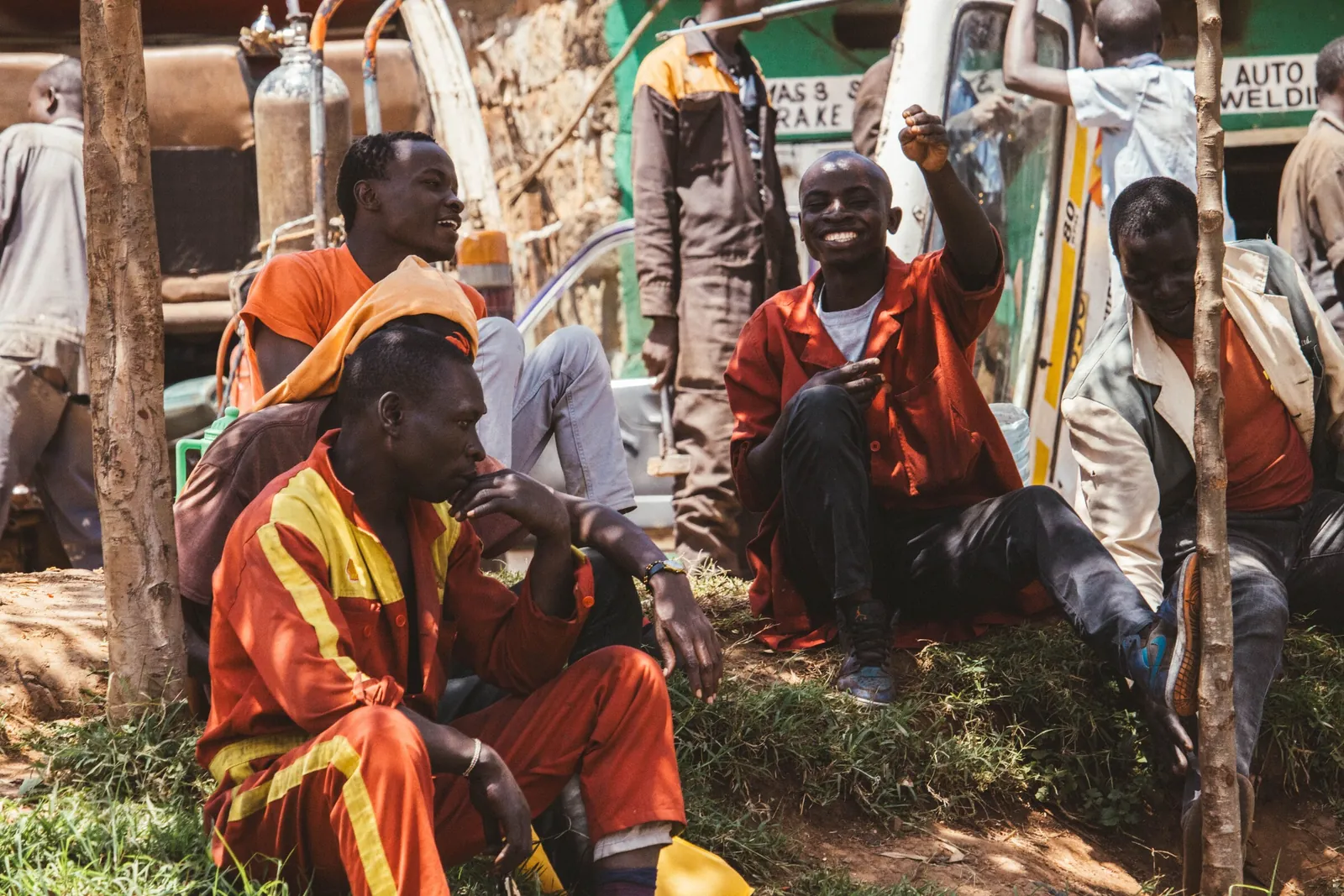
They built the economy. Nobody counted them.
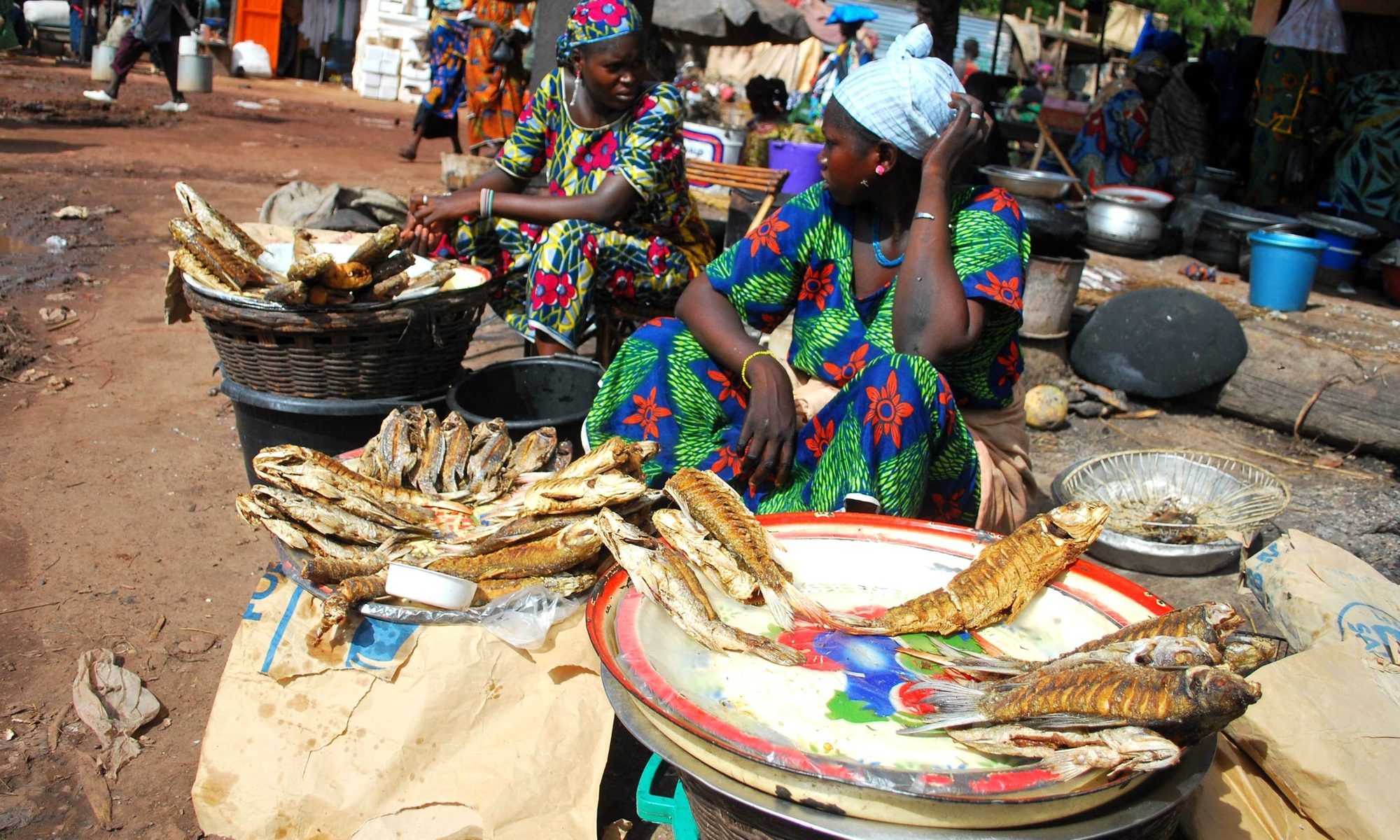
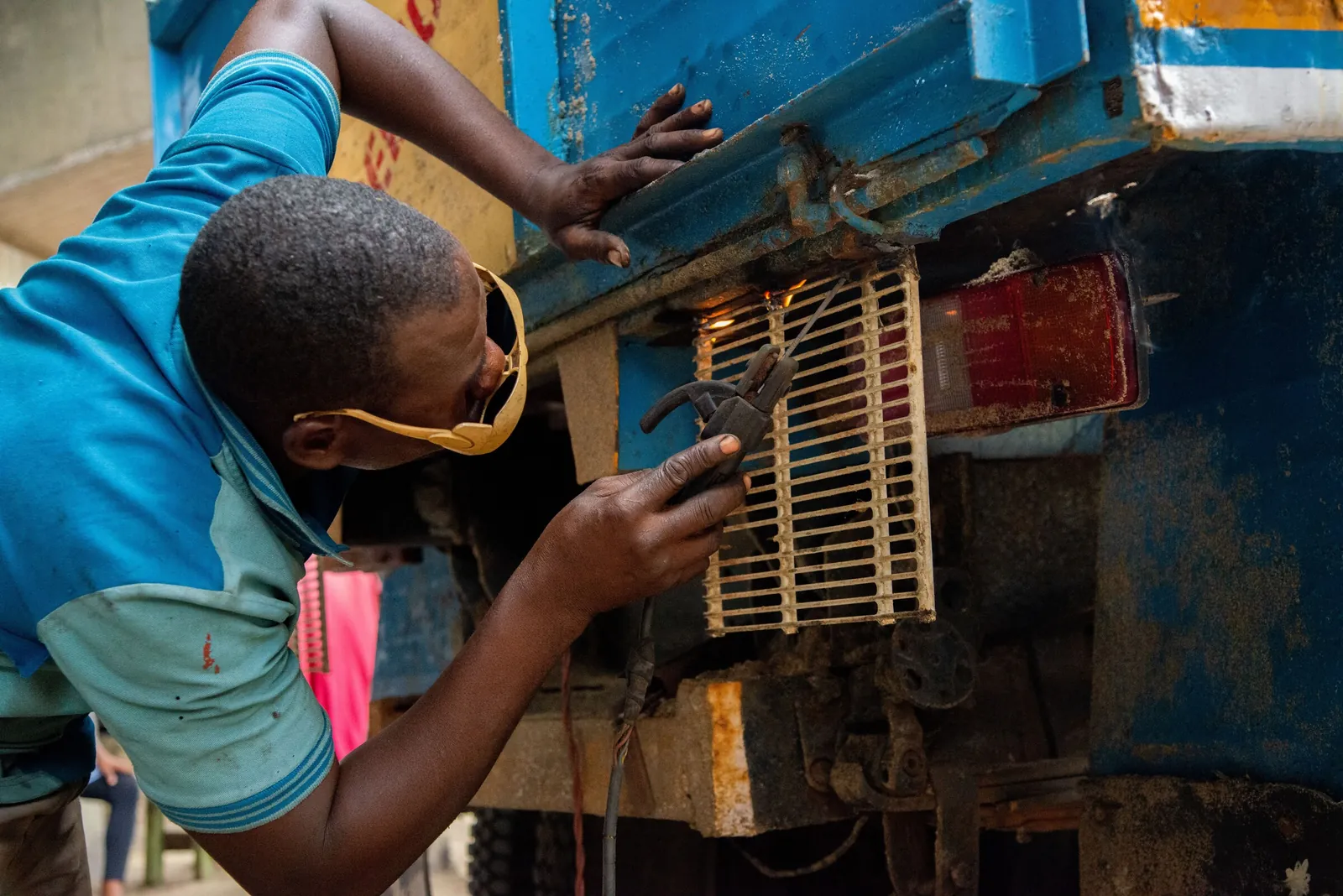
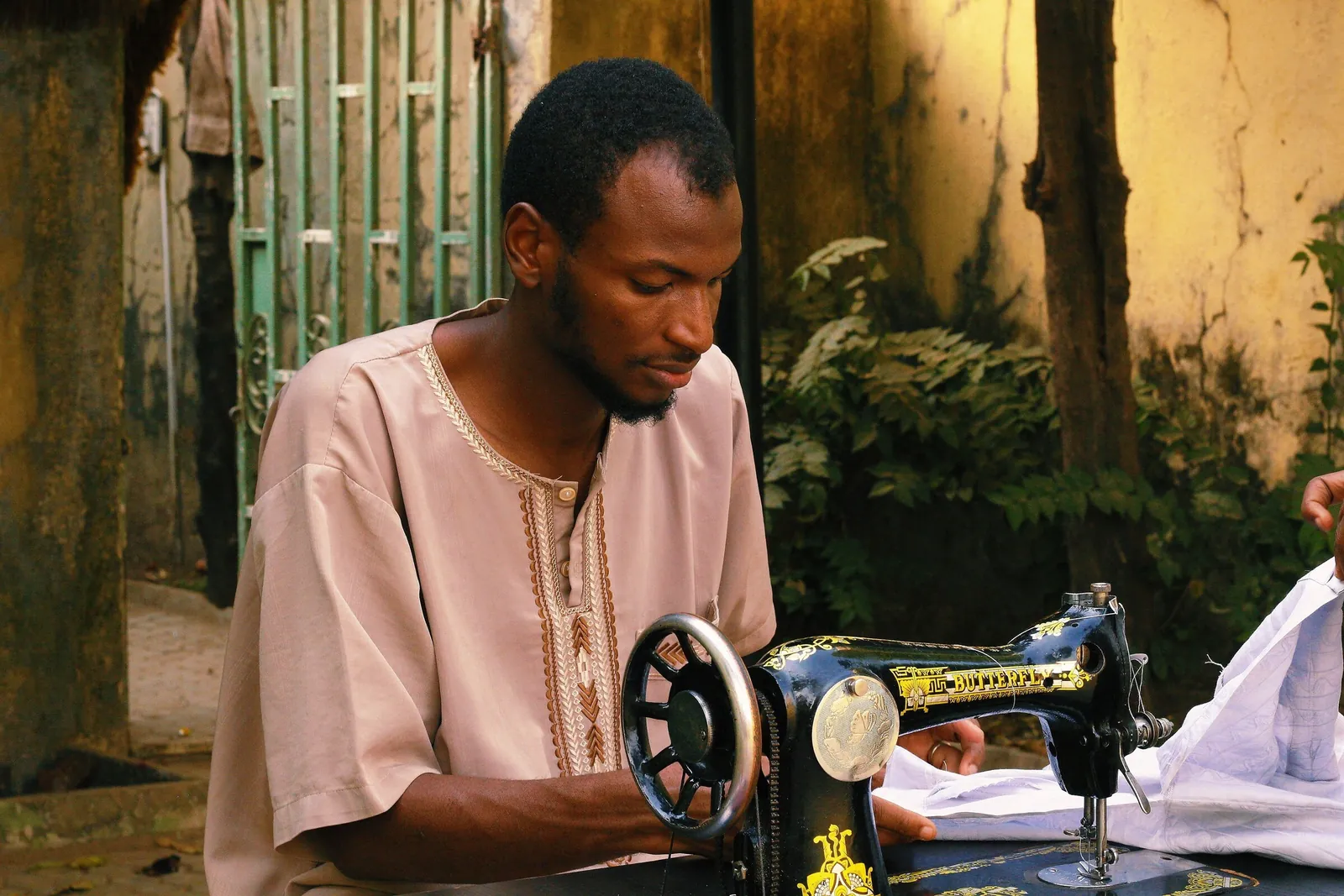
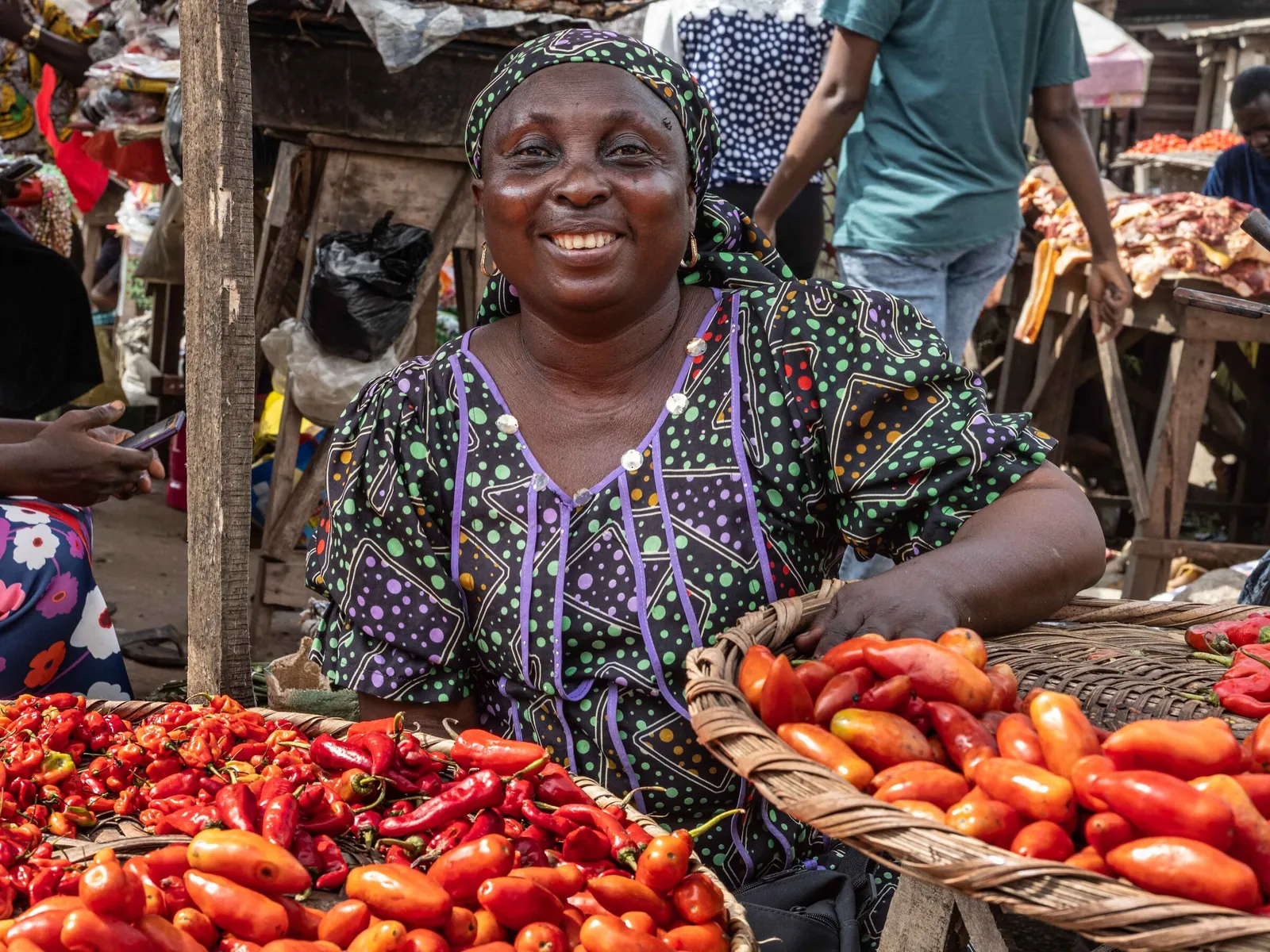
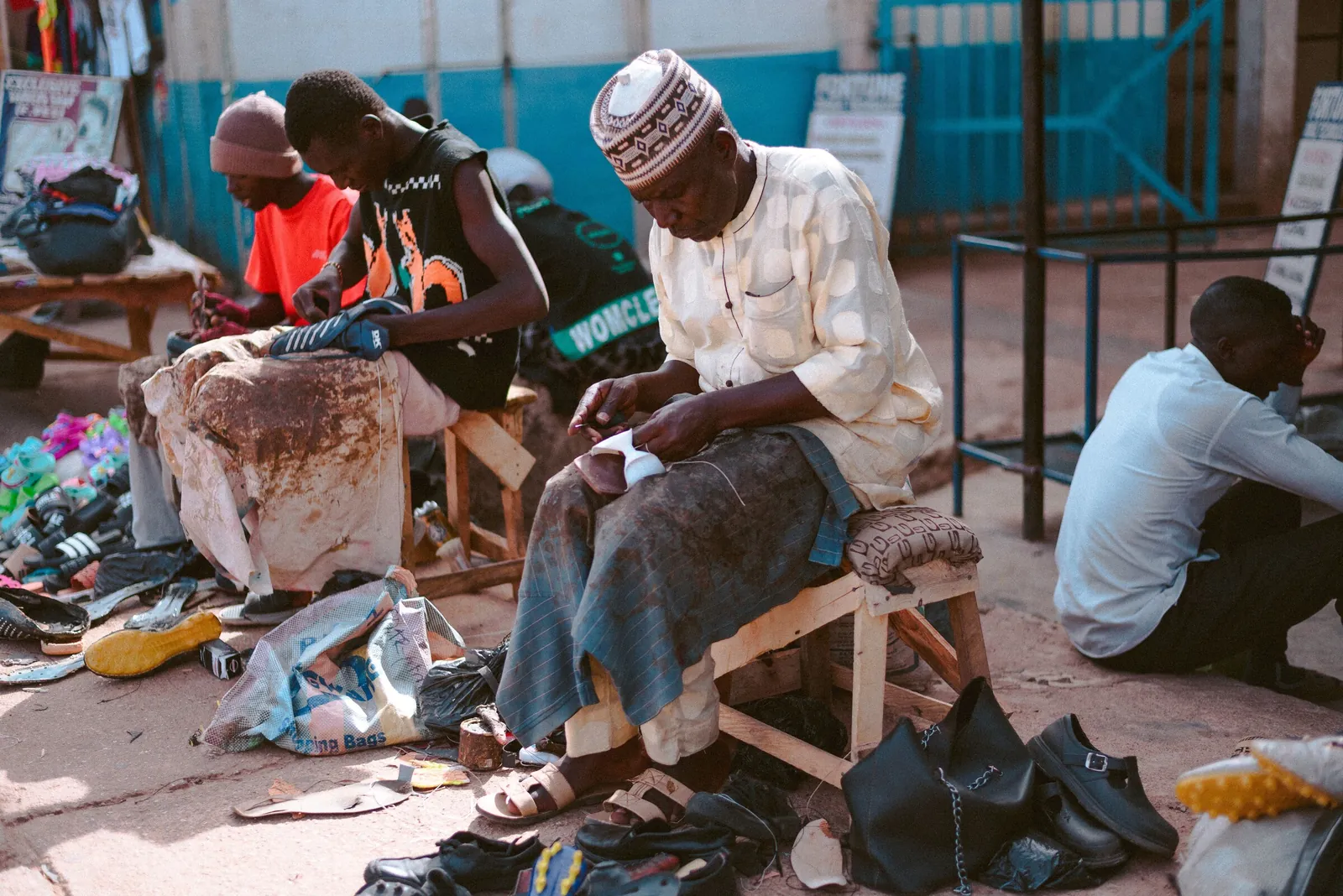
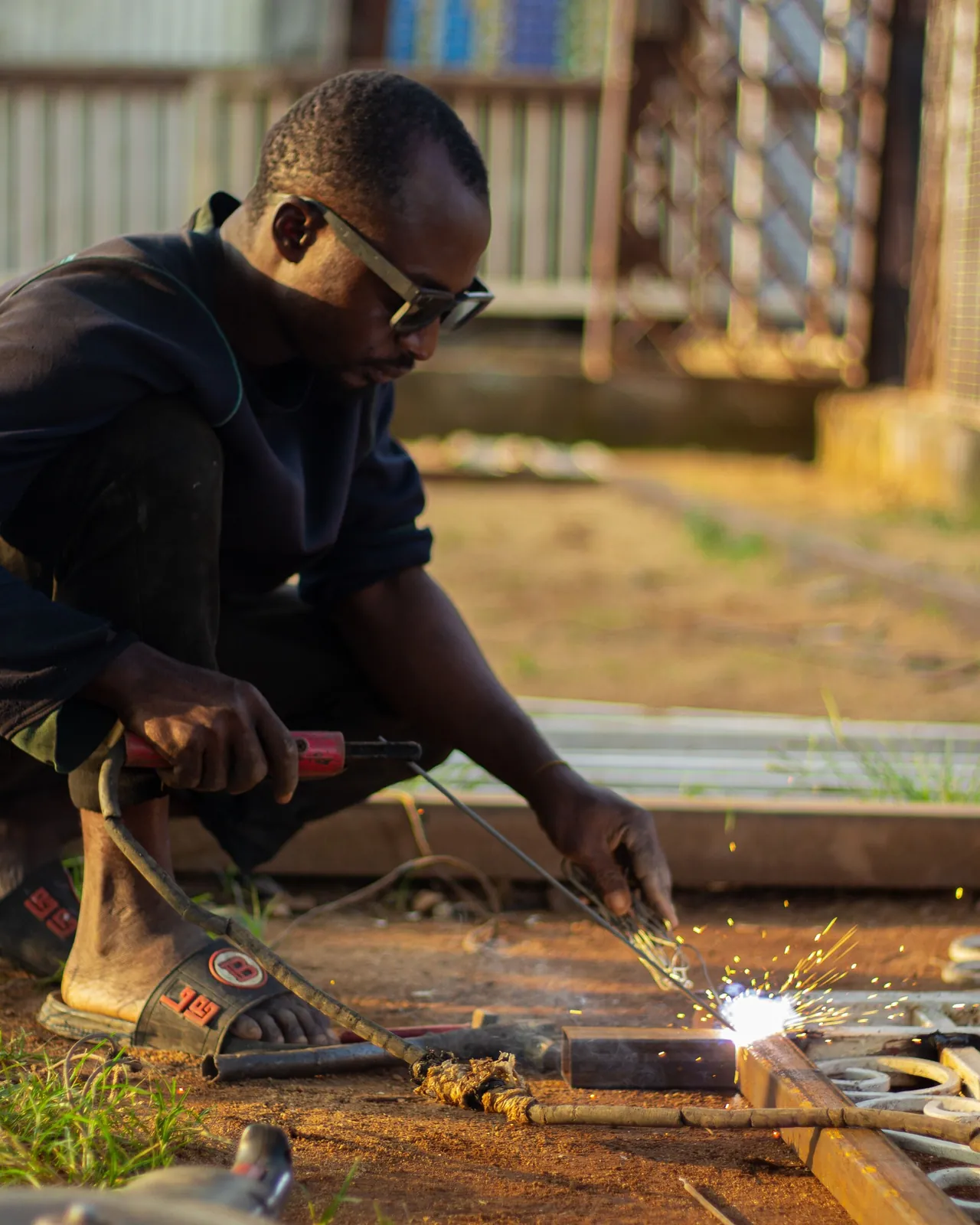
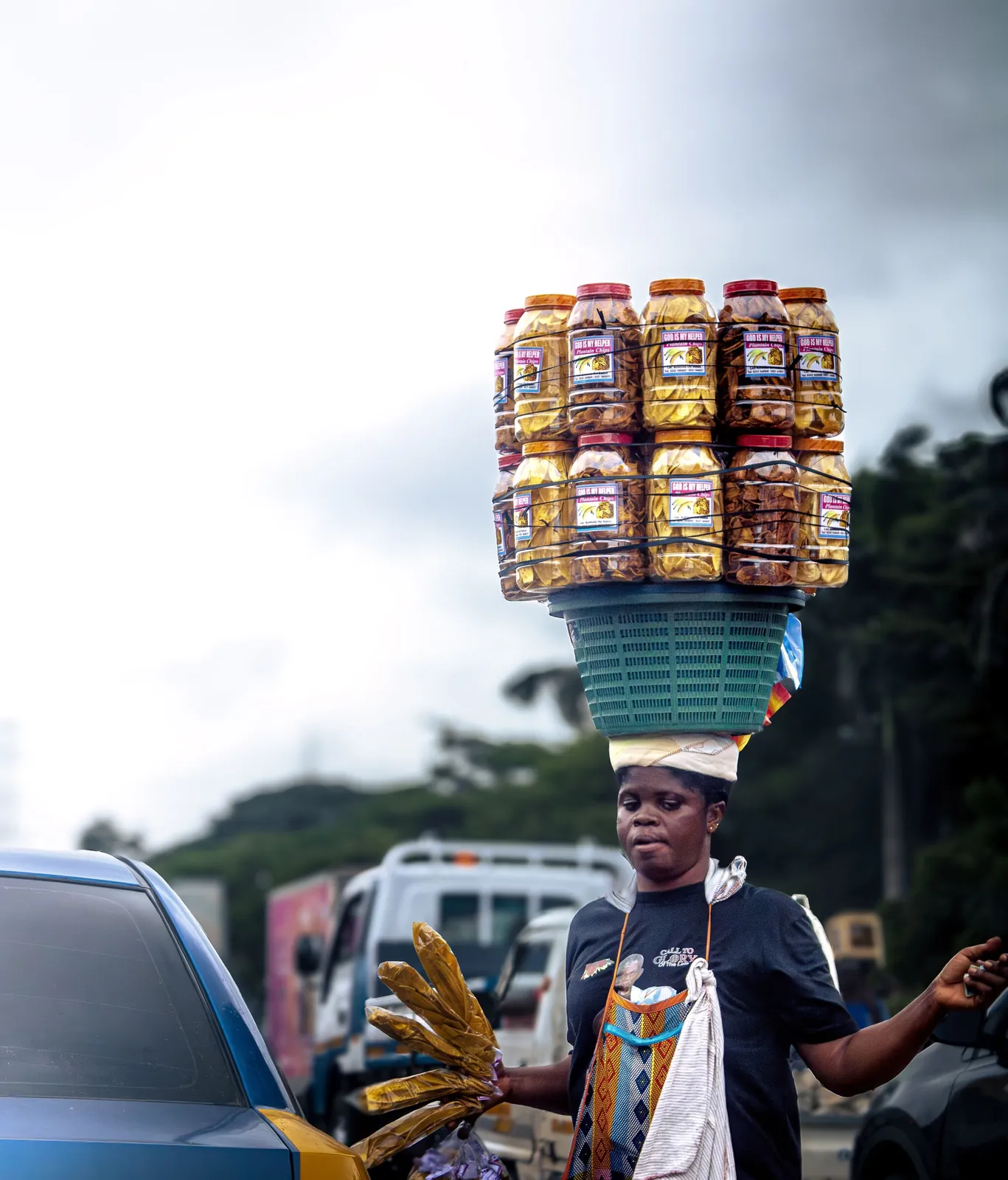
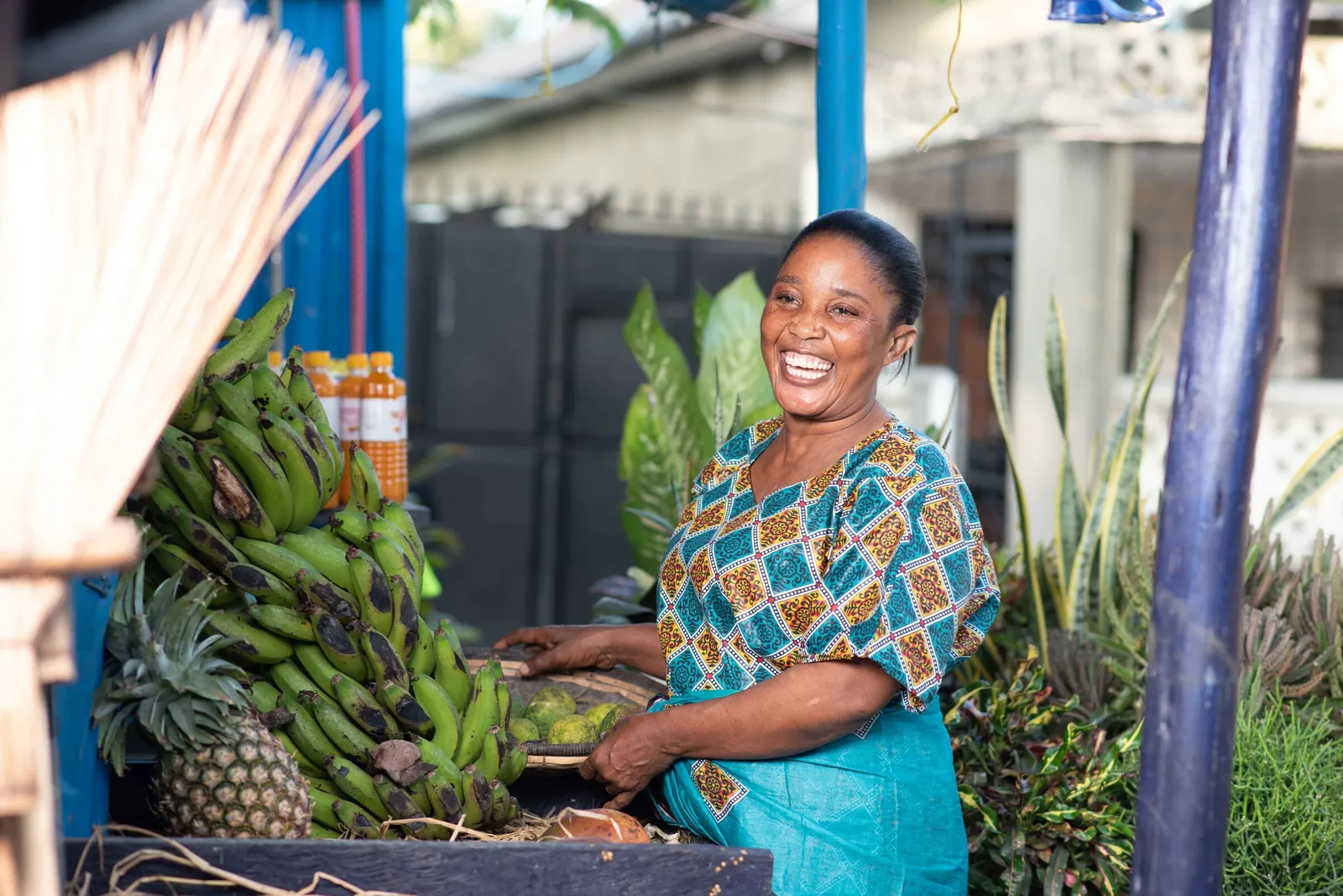
Before the banks open, the market is already working. The woman who has sold rice from the same stall for twenty years. The mechanic who knows the fault before the bonnet is up. The welder whose gate will outlast the house. The boy under the bridge who fixes the phone you are reading this on.
They feed, clothe, build and repair a continent, without a single line of paper saying so. This is not the margin of the economy. It is the economy, and it has never been recognised for what it gives.
Two billion people in the world work without a record. Of every hundred working Africans, eighty-six are here. Each stroke is a person. Touch one.
2 billion people worldwide, six in ten of everyone who works, are in informal employment. ILO, Women and men in the informal economy, 2018
85.8% of all employment in Africa is informal. ILO, Women and men in the informal economy, 2018
50–65% of Nigeria's economy is estimated to be informal. IMF, The informal economy in sub-Saharan Africa, 2017
39.65 million micro, small and medium enterprises in Nigeria; 96.9% are one person, one stall, one trade. SMEDAN / NBS, 2020
Three of the hundred.
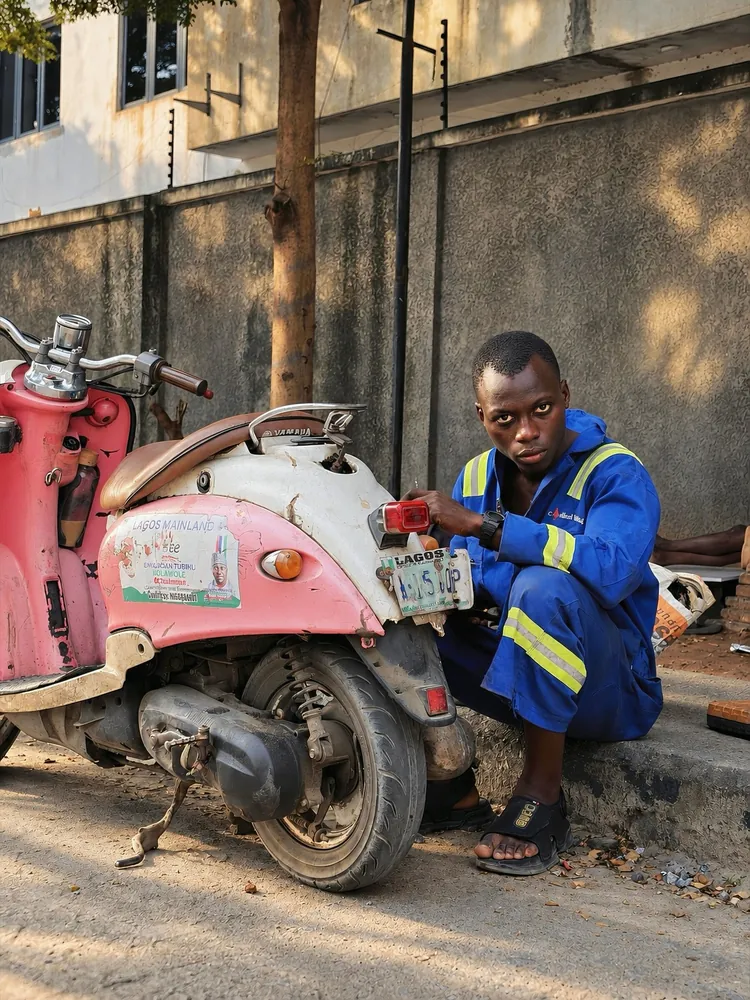
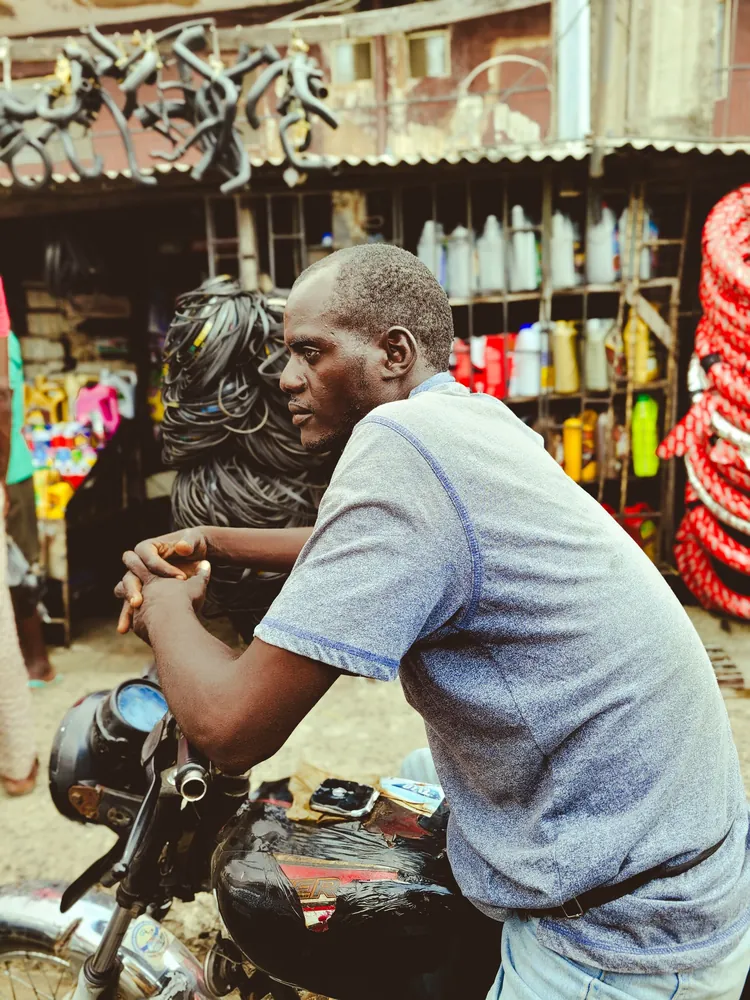
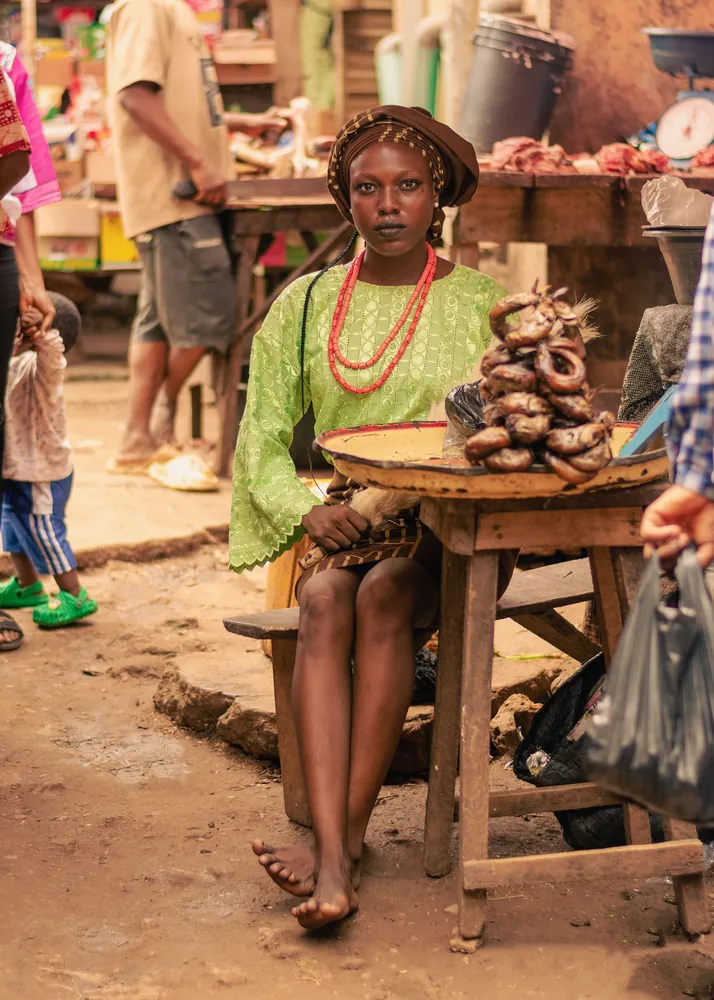
Uncounted, one missing paper at a time.
No address, so nobody beyond the street can find them.
No record, so nothing to show a lender, a buyer, a court.
No proof, so no contract, no credit, no customer they have not already met.
No data, so the machines being trained to run the next economy have never heard of them.
Thirty years of work, and the world holds no evidence it happened. The systems that run the global economy were built as if these people do not exist, in Lagos as in Lima, Lahore or Jakarta. Ask any AI about the mechanic in Sango and it can describe a type, never a person. Someone has to go and write him down. Marka exists to count them in.
Nobody chooses the side of the ledger they are born on.
The woman selling fish was not born with less.
Neither was the mechanic, the tailor, the shoemaker, the welder.
They were born where nothing was written down.
The distance between them and a founder in Lagos, a banker in London, a model in San Francisco is not talent, and it is not work.
It is a record.
We can write it.
Marka is the record.
Record No. 000001
Mama Nkechi Provisions
Rice, beans, palm oil
Oje Market, Ibadan
Trading since 2006
Counted · 2026
The seal. It goes on the shop, by the door, and it means one thing: counted. Each seal is numbered to a single record. A seal that does not answer to its number is not ours.
A record for anyone who works without one: who they are, what they do, where they are, and proof that they are real. Written in their own words, in their own language, with their consent.
On the record, a trader in Oje can be found by a buyer in Lagos, trusted by a lender in Nairobi and seen by the systems that run the global economy, which until now have not known she exists. Marka is the bridge between the economy that works and the world that has refused to see it.
Customers anywhere can find them and order, on WhatsApp or USSD, and pay them directly.
A record a lender can read, for people who were never offered one.
An address where there was none, because a stall deserves one.
In the numbers that decide where money goes, for the first time.
How the record gets written.
Four moves. Each one pays for the next. The people being counted never pay; the index does.
- 01Count.
Agents who already know their market verify every trader and artisan, one by one: the place, the person, the catalogue, the registration where there is one. Each gets a Marka record, an address that works, and the seal on the shop.
- 02Trade.
Customers find them on WhatsApp, USSD, the app or the web, order in one reply and pay them directly. Both sides confirm the payment, and only then is the job written to the record. Traders keep their own catalogue current, from a phone or with an agent who comes by.
- 03Trust.
Every record shows what was confirmed, so a buyer knows who they are dealing with before they pay. Months of real trade on it make it something a lender can read. The trader owns it and consents to every use. If a trade goes wrong, Marka takes it up. Anyone who cheats on Marka, with evidence, is removed, flagged and reported.
- 04Index.
Together, the records become the index of the real economy, Africa first: licensed to lenders, platforms and AI systems as ground truth that was never on the internet to scrape, with the people in it sharing in what their data earns.
The method behind each step is ours. The result is for everyone.
What made me want to do this.

For years I have built software for companies overseas. Systems for everything. Then I come home, buy rice from a woman who has sold it from the same spot for twenty years, and realise she has none of it. Not even a record that she exists.
I move between Ibadan, Lagos and wherever the work is, and the markets are the same everywhere. Brilliant traders, no paper. The welder who does better work than the companies with websites. The woman whose rice the whole street buys. Not one of them can walk into a bank and prove it.
Every plan to end hunger and poverty on this continent runs into the same wall: you cannot fund what you cannot see. And you cannot see what you refuse to count.
So Marka starts with counting. Write the trader down. Confirm she is real. Give her an address, an ID and a record that grows every time she trades. From that day she can be found, trusted and, in time, funded. Do that for every stall in one market, then a region, then the continent, and you have the map of Africa's real economy, and a seat for the people who built it at the table where the data about them is sold.
We called it Marka. In Swahili, Hausa and Arabic the sign on a thing is alama; in Arabic, Turkish, Hindi and half of Europe the mark that carries value, the brand, is marka. In Mali the Marka were the merchants who carried goods across the Sahel for centuries. In English a mark was first a boundary stone, then a sign, then a unit of money. Yoruba parents name a child Kàmíyẹ: count me worthy. Our mark is a tally, four strokes and a fifth across, the oldest way people have ever said counted. Marka is the marker.
MideOlamide Dada · Founder, Marka
Starting in South West Nigeria. Built for every market on the continent, then every market there is.
The method is not African. It is for anywhere people work without a record: two billion of them, from Lagos to Lima, Lahore to Jakarta.
Be counted before we count the markets.
Mark your spot. You get a founding number, and you hear first when Marka opens in your area.
Where we are being asked to go
No marks yet. The first area to get one goes to the top.
Partner, lender or investor? That door is here.
Saved. You are on the map.
- Now Your number is yours. It is never reissued.
- When Marka opens in your area One WhatsApp message from us, before anyone else hears.
- Until then Nothing. No newsletter, no calls.